Demand-Side Resources Can Power India’s Clean and Affordable Energy Future
This report evaluates the role of demand-side resources—energy efficiency, load shifting, and demand response—in enabling India to achieve these goals cost-effectively while maintaining grid reliability.

Feasibility of Green Hydrogen Use in Natural Gas DRI Furnaces: A Technical and Economic Review
This paper examines the technical feasibility and economic viability of converting natural gas-based direct reduced iron (DRI) furnaces to use green hydrogen.

Strategic Pathways for Energy Storage in India through 2032
India’s electricity demand is witnessing a rapid surge, nearly doubling every decade, fueled by strong economic growth. Dramatic cost reductions over the last decade for wind, solar, and battery storage technologies position India to leapfrog to a more flexible, robust, and sustainable power system for delivering affordable and reliable power to serve the growing power needs.
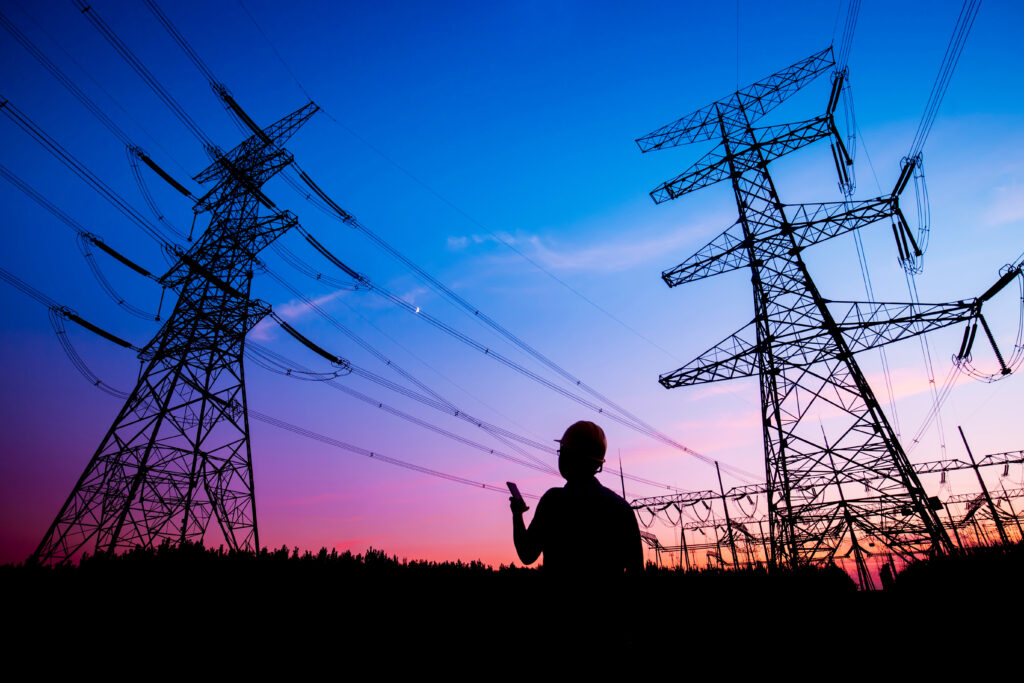
HTLS conductors can cost-effectively future-proof India’s electricity grid
As India’s electricity demand grows rapidly, the country has a $100 billion plan for major grid expansion by 2032 which includes increasing the length of the transmission network by over 40%. This massive investment offers an opportunity to think strategically about future-proofing grid expansion.