


India Can Avert Power Shortages and Cut Consumer Bills by Requiring More Efficient Air Conditioners
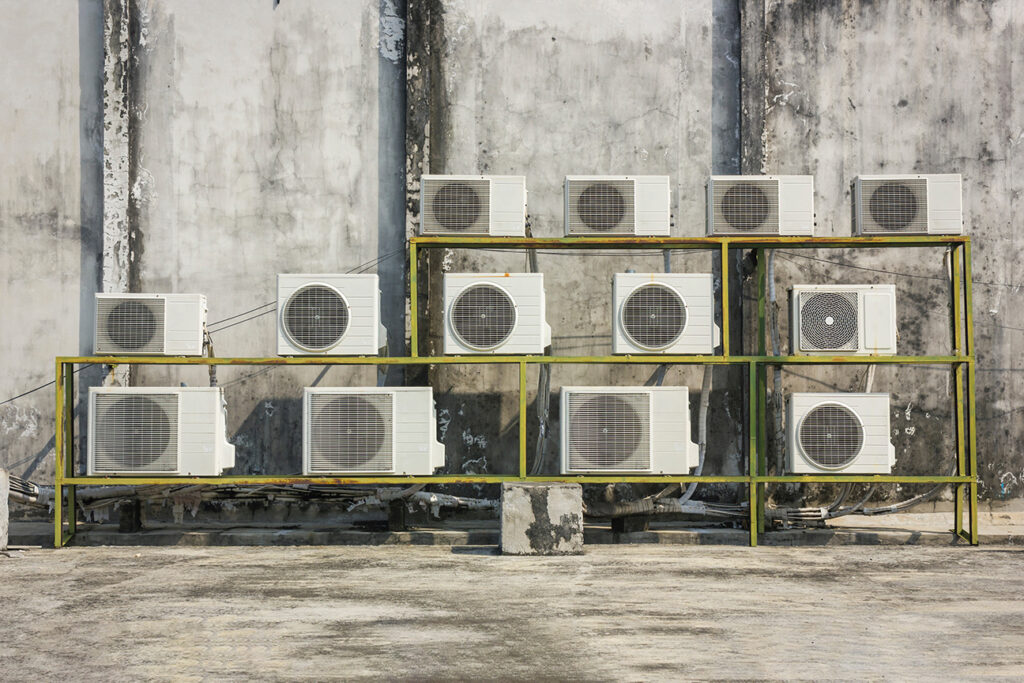
India is experiencing a rapid surge in electricity demand driven by the widespread adoption of room air conditioners (ACs), propelled by rising incomes, urbanization, and increasingly severe heat waves. We estimate that between 2025 and 2035, India will add an additional 130 million new room ACs, and without targeted interventions, room ACs alone could contribute over 180 GW to India’s peak load by 2035, straining the power system and necessitating costly investments in new capacity.
Rapid Deployment of Solar and Storage Is the Main Option for Avoiding Power Shortages in India
Due to rapid electricity demand growth, India will likely experience significant evening power shortages by 2027, even if all the thermal & hydro capacity currently under construction comes online as planned.
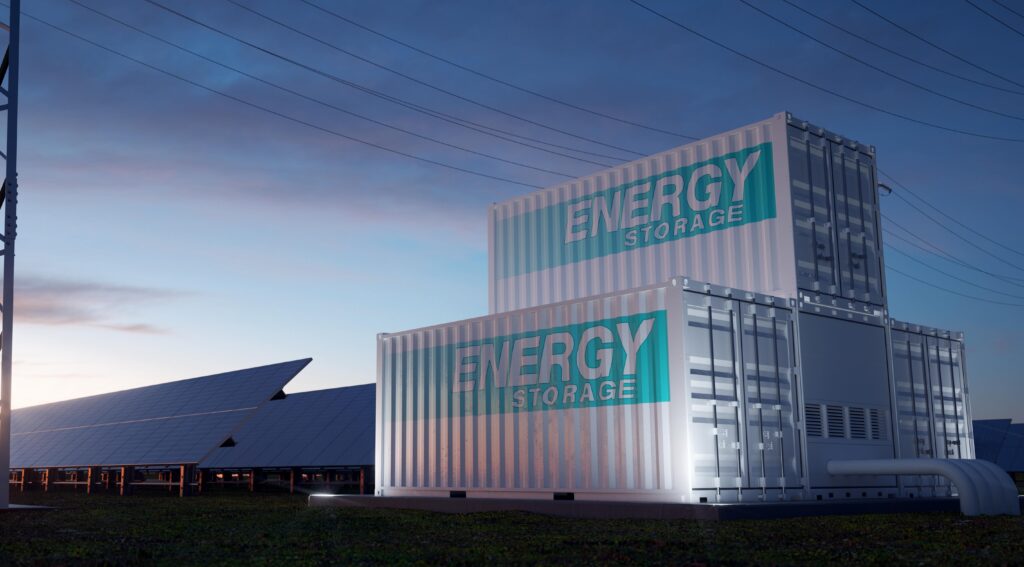
Recent SECI gigawatt-scale solar + storage auction results, with a record low price of Rs 3.4/kWh, have demonstrated how solar+storage will be an economical solution to help avoid power shortages. Solar + storage can be deployed much faster than new thermal and hydro assets.

The Case for a Zero Emission Vehicle Obligation in India
Related Files Report PDF (Working Paper) Date Published 01/2024 Authors Deepak Rajagopal, Narayan Gopinathan Abstract Public policies to replace fossil-fuel based internal combustion engine vehicle